Friday, 5 June 2020

How to Make Your Own Speakers!

Speakers produce sound by converting electrical energy into sound energy using magnets to "push" air using the cone of the speaker to push the air in and out at a certain frequency. While entire books have been devoted to this phenomenon, you only need a rudimentary knowledge of sound design to make your own simple speakers. Whether you want to spend weeks developing the next great sound system or just want to understand speakers a little better, read on to learn how to make your own speakers.

Method1
Building a Basic Speaker

  1. 1
    Find copper wire, packing tape, and a strong magnet. While there is a lot of calibrating that goes into high-end speakers, the basic technology is actually pretty simple. An electrical current is run through a wire that is attached to a magnet. This current makes the magnet vibrate, and those vibrations are picked up by our ears as sound.[1]
    • To hear the sound well you should also get a small plastic Tupperware or cup. This will amplify the sound much like yelling into a cone amplifies your voice.
  2. 2
    Wrap the copper wire around the magnet several times to make a coil. You want to wrap the wire 6-7 times starting from the middle. Make sure you leave several feet of wire unwrapped on either side of the magnet. Tape this coil onto the bottom of your Tupperware, but without the magnet.[2]
  3. 3
    Use a bottlecap or other round object to make another, larger coil. Using both ends of the leftover copper wire, make an even large coil and tape this on top of the smaller ones. Like before, you will leave roughly a foot of leftover wire on each side of the coil -- this is how you will attach your "speaker" to your music source.
  4. 4
    Place the magnet on top of the two coils. You want it to sit comfortably within both coils, but don't worry too much about touching every inch of wire.
  5. 5
    Attach both copper wires to a music source. The most common attachment is a 1/8th inch cable or "Auxiliary" cord (the input on most headphones). Wrap one end of the wire around the top of the metal input and the other around the bottom.
    • Gator clips, which are small clamps that transmit electricity, can make attaching your copper wire to a music source easier.
  6. 6
    Tinker with your speakers to get better sound. Try using a stronger magnet, keeping your coils tighter, using different "amplifiers," and playing different music sources at different volumes.

Method2
Building High-End Speakers

  1. 1
    Understand the components of a speaker. While the basics of speaker technology have not really changed since 1924, audio technicians have been perfecting the design, electronics, and sound of speakers ever since. That said, all speakers contain a few basic components:
    • Driver: Transforms an electrical signal into sound. Drivers come in many shapes and sizes, but all share the same function -- they make noise. Many speakers have multiple drivers to handle many frequencies. For example, "woofers" are large drivers that work well for low-frequency sounds like bass, while "tweeters" handle high frequencies.
    • Crossovers: These small relays take complex electrical signals and break them up into smaller parts to send to different drivers, isolating bass, treble, and mid-range frequencies.
    • Cabinet: This is the shell of a speaker where the electronics are housed. In order to eliminate noisy "resonance" or to get the greater volume, they are produced in a variety of shapes, sizes, and materials.
  2. 2
    Buy a speaker kit. While you can certainly buy all of the parts separately, it is incredibly difficult to build good speakers without years of studying the principles of sound and electricity. However, the budding DIY speaker enthusiast has another option -- buying pre-designed speaker kits with drivers, crossovers, and cabinets included. When searching for a good speaker kit, you should consider:
    • Is the cabinet is included? Many speaker kits only contain blueprints for the cabinet -- you will have to buy, cut, and fasten the wood together yourself.
    • Is the crossover pre-connected? Depending on your comfort level with electronics, you may want to purchase a kit where the crossover is already assembled, or you can attach and solder the pieces yourself.
    • How high-quality to you want your sound? Most audio professionals consult the Loudspeaker Design Cookbook or LDSB, for advice on choosing drivers and crossovers, and you can expect to pay more for better quality components.
    • How powerful, or loud, do your speakers need to be. In general, this is determined by the size of your drivers.
  3. 3
    Solder the crossover together following the provided crossover pattern. You will need a soldering iron, hot glue, and a pattern to make sure your crossover works correctly. All speaker kits come with a chart illustrating how to attach everything, and sample patterns can be found with a quick internet search if you are working from scratch. This prevents your speakers from shorting or burning out.
    • Make sure you completely understand how to read wiring diagrams before continuing.
    • Once your parts are attached, secure them to a small board with a hot glue gun or zip ties.
    • Finish by attaching your crossover cables to the drivers with speaker wire.
  4. 4
    Cut, stain, and assemble your cabinet according to your blueprint. If your cabinet is not provided for you, you will need to buy the wood and cut it to fit your drivers. Most speakers are rectangular, but talented carpenters can play with other shapes, from polygons to spheres, to get better sound. While all cabinets are different, there are a few guiding principles to their design:
    • Use material that is at least 1.5" thick.
    • Always measure your wood so that it fits together perfectly -- any sound that leaks out of the speakers will greatly diminish their quality. Fit the speakers together before adhering them.
    • Wood glue is the preferred adhesive, but you can also use a drill and screws or biscuit clips as well.
    • The paint or stain you chose for your cabinet will not affect the sound, but decorate your cabinet before installing components to protect your electronics.
    • Be sure you are comfortable with carpentry equipment before building original speaker cabinets.
  5. 5
    Install your drivers and crossover. If you followed your blueprints correctly the drivers should fit snugly into the holes you cut on the front of the cabinet. Adhere the crossover board to the cabinet so that the cables to the driver are not stretched or stressed.
    • The drivers are usually screwed into a plastic molding on the outside of the cabinet.
    • Use wood glue or adhesive to securely fasten the crossover to the cabinet.
  6. 6
    Fill the rest of your speaker with "acoustic stuffing." This specially designed fabric is meant to dampen sound inside the speaker so that you don't hear weird vibrations or echos. While not necessary, it can help the sound considerably.

Tuesday, 2 June 2020

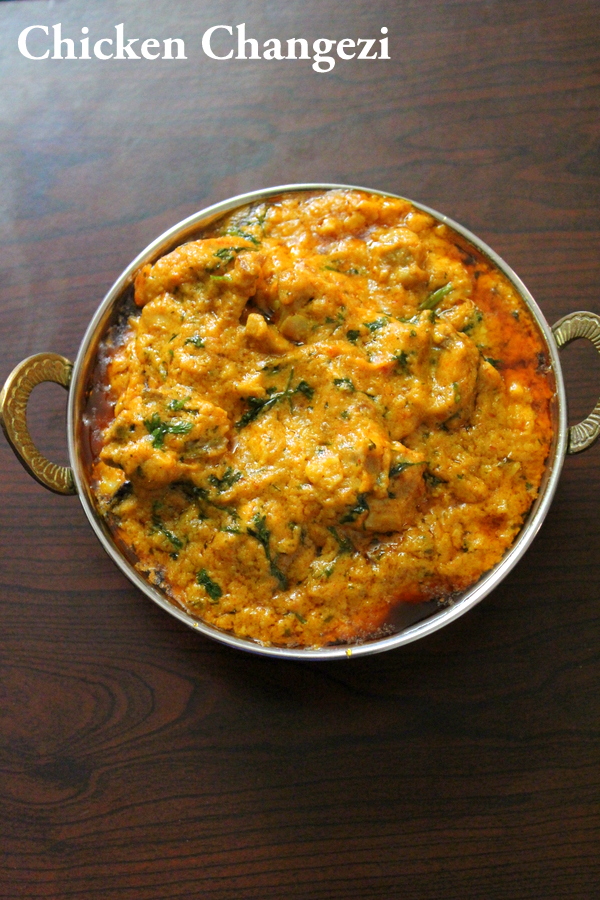
CHICKEN CHANGEZI RECIPE, HOW TO MAKE CHICKEN CHANGEZI!

Chicken changezi recipe is a variety chicken recipe that has some Mughlai flavor in it. It is an ancient recipe originated from the era of Changez khan(Genghis khan).
This is a delicious chicken recipe and is a rich recipe made using rich ingredients. It has a gravy consistency which is suitable to have it with rotis or parathas.
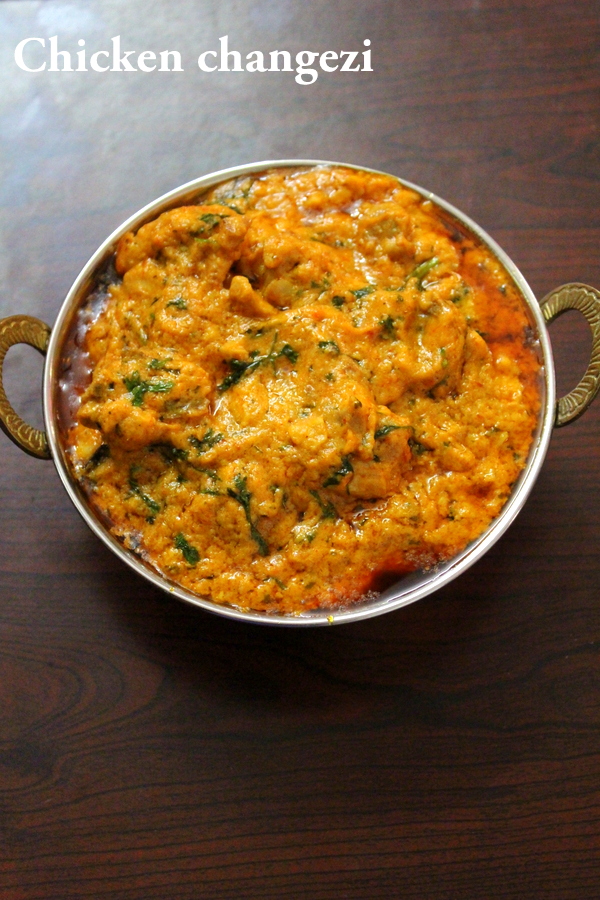
chicken changezi
I made this recipe for the first time and instantly liked its taste as it is less spicy and has the rich taste of the recipe.
I have posted every tried and tested the chicken recipe on the blog and most of the recipes are made along with the videos and all the recipes are mind-blowing and would like to update more and more chicken recipes.
This recipe is not known to many and I would like to share more details on this chicken recipe through my blog.
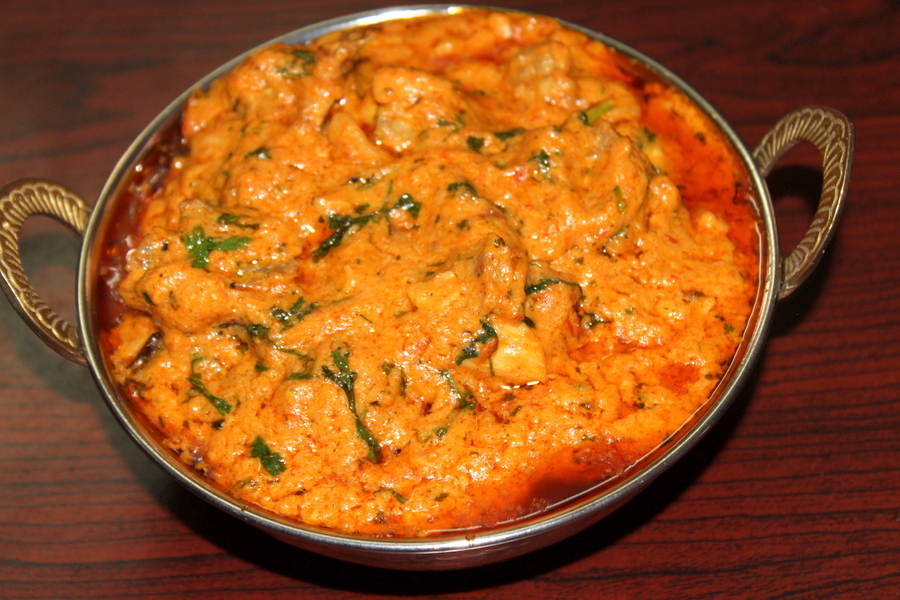
It has great flavors, spices, richness to the whole gravy. I have added cream, yogurt, tomato puree, fried onion paste along with dry fruits paste into the recipe, and overall this has made the whole recipe quite rich.
chicken changezi recipe
While making chicken changezi, generally chicken is roasted separately but here, I have made it into a one-pot dish and it has turned out as similar to the normal method of making chicken changezi.
I usually make some of the chicken recipes as one-pot recipes and not separately which turn out well and also helps in cooking the chicken and the masala gravy perfectly. The main masala of changezi recipe is of onion and Kaju paste sauteed in oil or ghee.
To this gravy ingredient like milk, cream, yogurt, tomato puree are added to give a gravy-like consistency.
The chicken is roasted well and all these masala paste are added and cooked well to form a thick gravy suitable to make during several occasions.
I shall update with many more chicken recipes as I keep blogging and hopefully, I add them along with videos too and would love to hear feedback from my blog readers which encourages me to post more recipes.
Below is the recipe on how to make chicken changezi, a variety Mughlai chicken recipe with step by step details and procedure too.

Ingredients

Onion tomato Kaju paste for chicken changezi:

  • 3 tbsp oil
  • 3 onions thickly chopped
  • 8-10 Kaju/cashew nuts
  • 8-10 almonds/badam
  • 3 tomatoes thickly chopped

Other ingredients to make chicken changezi:

  • 2 tbsp oil
  • 3 cloves/lounge
  • 1 green cardamom/elaichi
  • 1 small cinnamon stick/dalchini
  • 1 tsp ginger garlic paste
  • 500 gms chicken cleaned well and washed well with turmeric powder or lemon extract
  • salt to taste
  • 1 tsp red chili powder
  • 1/4 tsp turmeric powder/Haldi
  • 1 cup yogurt/curd
  • blended onion tomato Kaju paste
  • 1/2 cup milk
  • 2 tbsp cream/malai
  • 1 tsp kasoori methi crushed
  • 3-4 tbsp freshly chopped coriander leaves

Instructions

To make onion tomato Kaju badam paste:

  • Firstly, in a pan, add oil and heat it.
  • Add chopped onions, Kaju, badam, and saute the onions until they turn a slight golden color.
  • After onions are cooked well, add chopped tomatoes into it and cook until the tomatoes turn soft.
  • Switch off the flame.
  • Cooldown the masala.
  • Take a blending jar, add the masala, and blend the masala into a fine smooth paste by adding little water or milk.
  • Keep the masala aside for later use.

Making of chicken changezi:

  • Take a wok, add oil, and heat it.
  • Into it add whole garam masala such as cloves, dalchini, elaichi.
  • Add ginger-garlic paste and saute until the raw smell disappears.
  • Add the chicken into it and roast well until the color of chicken changes.
  • Add salt as per taste, red chili powder, turmeric powder, mix well, cook and roast the chicken for 10 minutes until oil starts releasing.
  • Add yogurt and cook for 5 minutes.
  • Add the blended onion tomato Kaju badam paste into the chicken and mix well.
  • Cook this gravy for 10-15 minutes on low flame or until the masala is cooked well and starts leaving oil at the sides.
  • Check if the chicken is tenderized.
  • Cook for some more time until chicken gets tendered.
  • Add milk into the chicken gravy, mix.
  • Add malai/cream into the chicken gravy and mix well.
  • Add salt as per taste if required.
  • Cook the gravy for few minutes on low flame.
  • Crush kasoori methi and add it into the chicken curry.
  • Also, add some freshly chopped coriander leaves and mix.
  • Cook for a few minutes on low flame and switch off the flame.
  • Serve hot with roti, paratha, or steamed rice.

Notes

1. Here, at the end of the recipe if one wants to add garam masala powder for more spicy flavor, then it is a better option to add some garam masala powder at the end.2. This gravy is slightly thick and if one wants to make slightly thin, add little more milk and cook the gravy.

Wednesday, 27 May 2020

A Healthier Fast Food Diet

Cars line up at a fast food drive-through.

Healthy Eating on the Run

People are busier than ever, and when crunched for time, fast food is the go-to meal for many. It's easy, cheap, and fast, but often not healthy. While it's always healthier to prepare your own food at home, with a little forethought and planning you can avoid some of the worst foods and make healthier choices at fast food restaurants.
An almost finished container of fast-food fries.

1. Watch Portion Sizes

Usually a small size is enough to satisfy your cravings. A small order of fries can be up to 100 calories less than its super-sized counterpart. A small sandwich or half a sandwich is often filling and will curb your hunger. You can even ask for the kid's meal to ensure smaller portions.
A grilled Caesar chicken wrap on whole wheat tortillas.

2. Go Deli-Style

Deli-style fast food restaurants offer many options that are lower in fat and calories. Choose whole wheat bread or a wrap, and add lots of veggies for a flavorful and filling sandwich. But skip the mayo!
Side order bowls of fresh fruit.

3. Pick the Better Side

Forget the standard french fry side order – try fresh fruit or a salad. Most fast food chains offer these healthier options.
A fresh side salad made of mixed lettuce and cherry tomatoes.

4. Add a Salad

Even if you do want those salty fries or that fried chicken, order a side salad as well. Fill up on greens and veggies to get fiber and vitamins. You may even feel more full and eat less of the unhealthy fast food.
Fresh grilled chicken sandwich on whole wheat bun.

5. Grilled Is Best

Even though chicken is a lean meat, many fried or breaded chicken options can have more fat and calories than a hamburger. Always choose grilled chicken over breaded or fried.
A woman eats an apple.

6. Snack Before Hitting the Road

You are more likely to give into temptation and stop in at a fast food joint if you are hungry. Before you go out, fill up on a healthy snack such as a piece of fruit, some veggies and hummus, cereal with skim or non-dairy milk, or low-fat yogurt.
A man sits on his car with an apple and bottle of water.

7. Curb the Cravings

Be prepared for cravings and keep healthy snacks ready and available. Keep them in your car or in your desk at the office so you can ward off cravings and stay away from the fast food. Drinking plenty of water will also keep you feeling more full and less likely to give into temptation.
A businesswoman buys a fruit salad at the supermarket.

8. Hit the Supermarket

Instead of a fast food chain, take your lunch in a local supermarket. You can find pre-cut fruit and veggie options, along with snacks such as low fat string cheese or yogurt. Many supermarkets also have salad and sushi bars, or other ready-made healthy foods.
A spoonful of mayonnaise.

9. Hold the Mayo!

Whatever you order in a fast food restaurant, hold the mayo! Mayo is full of fat and just one tablespoon contains nearly 100 calories! Try mustard instead for a low-calorie, low-fat condiment.
Sandwich, fries, and a glass of water.

10. Water Your Thirst

Water is the best way to quench your thirst. Don't add empty calories and sugar from sodas and other soft drinks to your meal. Water will help you feel full without adding calories to your diet.

Friday, 22 May 2020

Top 10 foods to try in Hong Kong!

Travelers are advised to read the FCO travel advice at gov.uk/foreign-travel-advice for the country they are traveling to.

All recommendations have been reviewed and approved as of 1 June 2017 and will be checked and updated annually. If you think there is any incorrect or out-of-date information in this guide please email us at goodfoodwebsite@immediate.co.uk.
Dining out is the social norm in Hong Kong and there's a wide range of dishes and restaurants to try. Navigate local markets and delicacies with our must-try list of food and drink.
 

3 top foodie tips

Food and cocktail combos

Cocktails are hugely popular with Hongkongers who love to experiment at events like the annual Wine & Dine Festival (26-29 October 2017), which last year featured such pairings as miso-marinated pork and a karate sour cocktail. Restaurant VEA offers a menu paired with inventive cocktails such as a consommé of shiitake mushrooms laced with whiskey.
Veggie trends
‘Hong Kong is seeing a boom in veggie food,’ says Australian chef Shane Osborne and according to chef Randy See of Le Port Parfumé, expensive caviar and white truffles no longer excite wealthy locals, who are more interested in the provenance of simple vegetables. And the quirkiest vegetable trend of all? Cindy Kuan of the Chinese Culinary Institute says it’s purple sweet potatoes, which appear in a huge range of snacks, including toast, cakes, sandwiches, and ice cream. Our suggestion for veggie eats? Sustainable eating hub Sohofama.
Smart street food
Blogger Janice Leung Hayes urges you to seek out modern twists on old-school snacks or street food, such as eggettes (a local style of waffle). You can also find upscale versions of staples like beef noodles and wontons, such as beef noodles in a lobster bisque-like soup.
 

Top 10 dishes to try

Yuanyang tea
Yuanyang tea
Hong Kong-style milky tea mixed with instant coffee. A riff on Hong Kong milk tea is THE essential drink at cha chaan tengs (Hong Kong-style cafés).
Pineapple bun
Pineapple bun: Credit - Getty Images
Not actually very pineappley, but a soft pillowy sweet bread roll topped with a crunchy sugary top. The kind of portable breakfast Hongkongers takes to the office.
Char siu
Char siu
Cantonese-style barbecued pork, marinated in five-spice, rose liqueur, soybean paste and glazed with honey or syrup: ubiquitous and essential to any Hongkonger’s diet.
Hairy crab
Hairy crab
Only in season for a few weeks but this seasonal Hong Kong delicacy appears on menus all over town between late October and the end of November where the tiny crabs fetch about £30. With their rich color and egg-yolk consistency, they can be stirred into fresh pasta just like a sauce or used to make a bouillabaisse-type fish sauce.
Salt marinated chicken
A great way of cooking chicken, brined with a fabulously crisp papery skin of the kind you more often find on duck and suckling pig, like at culinary arts spot Duddells.
Cheung fun
Cheung fun
Slightly slithery rice rolls served with a punchy sauce made with soy sauce, peanut butter, hoisin and chili sauce – try them at locals' favorite Hop Yik Tai Cheung Fun in Sham Shui Po.
Noodles
Veg-packed noodle & egg bowl
Egg noodles with shrimp roe. Eat them at the Lau Sum Kee noodle shop in Sham Shui Po – and if you want to recreate the experience at home, you could try adding to our veg-packed noodle & egg bowl.
Snake soup
If you’re brave enough, snakes are said to boost the circulation and are eaten as a warming food during winter. One of the many ingredients that are considered medicinal by the locals. Try it at Shia Wong Hip in Sham Sui Po.
Hot pot
After a long day at work, find a local hot pot restaurant around Causeway Bay if on the Island, while Mong Kok and Prince Edward are the places to go on Kowloon side. Try to order as many different types of food on the menu, cook everything yourself, and wash it all down with Blue Girl beers and Soju. It’s the proper local way to do it.
Bao buns
Bao buns
The pan-Asian bao bun craze has hit Hong Kong, too. Go to Little Bao for inventive fillings such as Szechuan fried chicken bao and fish tempura.
 

How to do it

Victoria harbour: credit Getty Images
Where to shop
‘Locals shop at both “wet” fresh food markets (gai see) and supermarkets,’ says Janice Leung Hayes. ‘The older generation usually shop daily – a hangover from when home refrigeration wasn’t the norm. Every district has at least one wet market run by the government, so you’re never too far from one.’
What to eat and when
Street food market
‘To eat like a local at lunch, visit a noodle house,’ says Michael Larkin, restaurant manager at fashionable Korean restaurant Jinjuu. ‘They’re not pretty, but they are cheap as chips, and the flavors are so unexpected. Find a place that has a queue going around the corner and without a Westerner insight – you’ll have struck gold. Tsim Chai Kee, on 98 Wellington, is a personal favorite. ‘Hong Kong has some of the world’s best restaurants, but if you really want to eat like a local, you have to hit the night markets of Tsim Sha Tsui and Mong Kok,’ says Michael. ‘The choices are endless and cheap.’
Eating etiquette
‘Loudly slurping your ramen broth or noodle soup is not rude, but in fact a sign you appreciate it,’ says travel writer Chris Dwyer. ‘Leaving your chopsticks embedded in rice is a no-no, associated with funerals. Also, be very mindful of not confusing serving and personal eating chopsticks at group dinners – no one likes a double dipper!’
Chinese people love sharing a meal
‘For a family gathering, seniors are normally asked to start first as a sign of respect to the elderly,’ says Cindy Kuan. ‘If there are guests around the table, they will be invited to get their food first when a dish is being presented. However, guests should still wait until the host gives the signal to start.’ On how to find a good place to eat, she advises, ‘Look for crowds and queues. Hongkongers love a queue.’ Her blog is also a good source of recommendations. ‘If there’s a good or new noodle shop, they’ll queue for over an hour,’ says Carrie Poonki, who runs Hong Kong Foodie Tours. ‘Also, OpenRice is a useful local food-finding app to download.’
How to order
‘Ordering a meal is usually quite easy as most places have menus in Chinese and English, but don’t expect any help from the staff. If you’re going really local, there will be no pictures, no translation, nothing. So, go green, and order a vegetable dish like sou Choi to share,’ says Michael Larkin. ‘Try to spot a dish that looks appealing on someone else’s table, and say “Nigo”, meaning “this”.’ Chris Dwyer says Google’s Translate app scans any photos so it works well for menus.